
Why ADHD Is Often Overlooked Until Adulthood
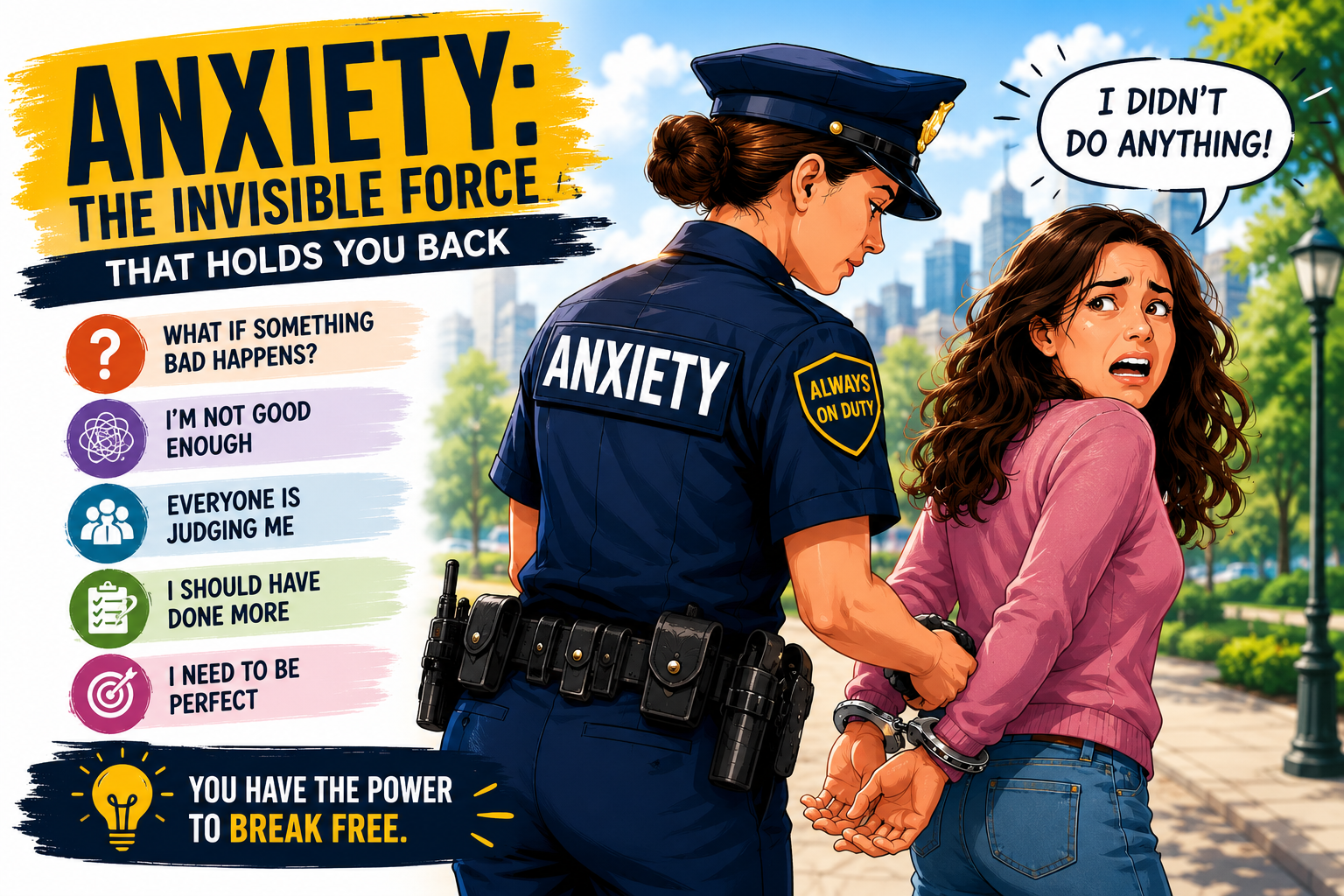
Why Your Anxiety Is Limiting You Anxiety is one of the most common mental health conditions, yet many people don't realize how much it influences their daily lives. While anxiety is designed to protect us from danger, it can become overwhelming when it begins to control our thoughts, emotions, and decisions. Instead of helping us stay safe, persistent anxiety can keep us from living the life we truly want. Anxiety Can Keep You Stuck Anxiety often convinces you that avoiding discomfort is the safest option. You may postpone making important decisions, avoid social situations, decline new opportunities, or put off goals because of the fear of failure, embarrassment, or uncertainty. Over time, this avoidance can become a cycle. The more situations you avoid, the more powerful anxiety becomes, reinforcing the belief that those situations are dangerous—even when they are not. It Can Affect Your Career Many people with anxiety hesitate to apply for promotions, change careers, speak up during meetings, or pursue leadership opportunities. They may constantly question their abilities or worry about making mistakes. This self-doubt can prevent talented individuals from reaching their full professional potential. Anxiety Can Impact Relationships Anxiety doesn't only affect the person experiencing it—it can also influence relationships with family, friends, and partners. Some people become overly concerned about being judged or rejected. Others may seek constant reassurance, withdraw emotionally, or avoid difficult conversations altogether. These patterns can create misunderstandings and strain even healthy relationships. Physical Symptoms Can Be Debilitating Anxiety is not "just in your head." It often causes real physical symptoms, including: Rapid heartbeat Chest tightness Shortness of breath Muscle tension Headaches Fatigue Stomach problems Difficulty sleeping Restlessness Many people initially seek medical care because they believe they have a heart or neurological condition, only to discover that anxiety is contributing to their symptoms. Anxiety Changes How You Think When anxiety is persistent, the brain becomes more focused on detecting potential threats. This can lead to: Catastrophizing ("Something terrible is going to happen.") Overthinking Difficulty concentrating Excessive worrying Constant "what if" thinking Negative self-talk These thought patterns make everyday situations feel much more stressful than they actually are. Avoidance Provides Short-Term Relief—but Long-Term Limitations Avoiding situations that trigger anxiety may feel helpful in the moment. However, avoidance prevents your brain from learning that you are capable of handling those situations. Gradually facing fears, with appropriate support, allows confidence to grow and anxiety to lose its grip. The Good News: Anxiety Is Treatable Effective treatment is available, and many people experience significant improvement with the right approach. Depending on your individual needs, treatment may include: Cognitive Behavioral Therapy (CBT) Lifestyle modifications Regular exercise Mindfulness and relaxation techniques Improved sleep habits Stress management Medication when clinically appropriate Treatment is not about eliminating all anxiety. Some anxiety is normal and even helpful. The goal is to reduce anxiety to a level where it no longer controls your choices or prevents you from living a meaningful life. You Don't Have to Stay Stuck If anxiety is keeping you from enjoying relationships, advancing your career, pursuing your goals, or finding peace of mind, know that help is available. Seeking support is not a sign of weakness—it is an investment in your future. At Odinma Health, we understand that every person's experience with anxiety is unique. We work with adults to develop individualized treatment plans that combine evidence-based care, education, and practical strategies to help them regain confidence and improve their quality of life. Recovery doesn't happen overnight, but with the right support, it is possible to move beyond fear and begin living the life anxiety has been holding you back from.

The Science Behind Depression

Importance of Exercise and Your Mental Health
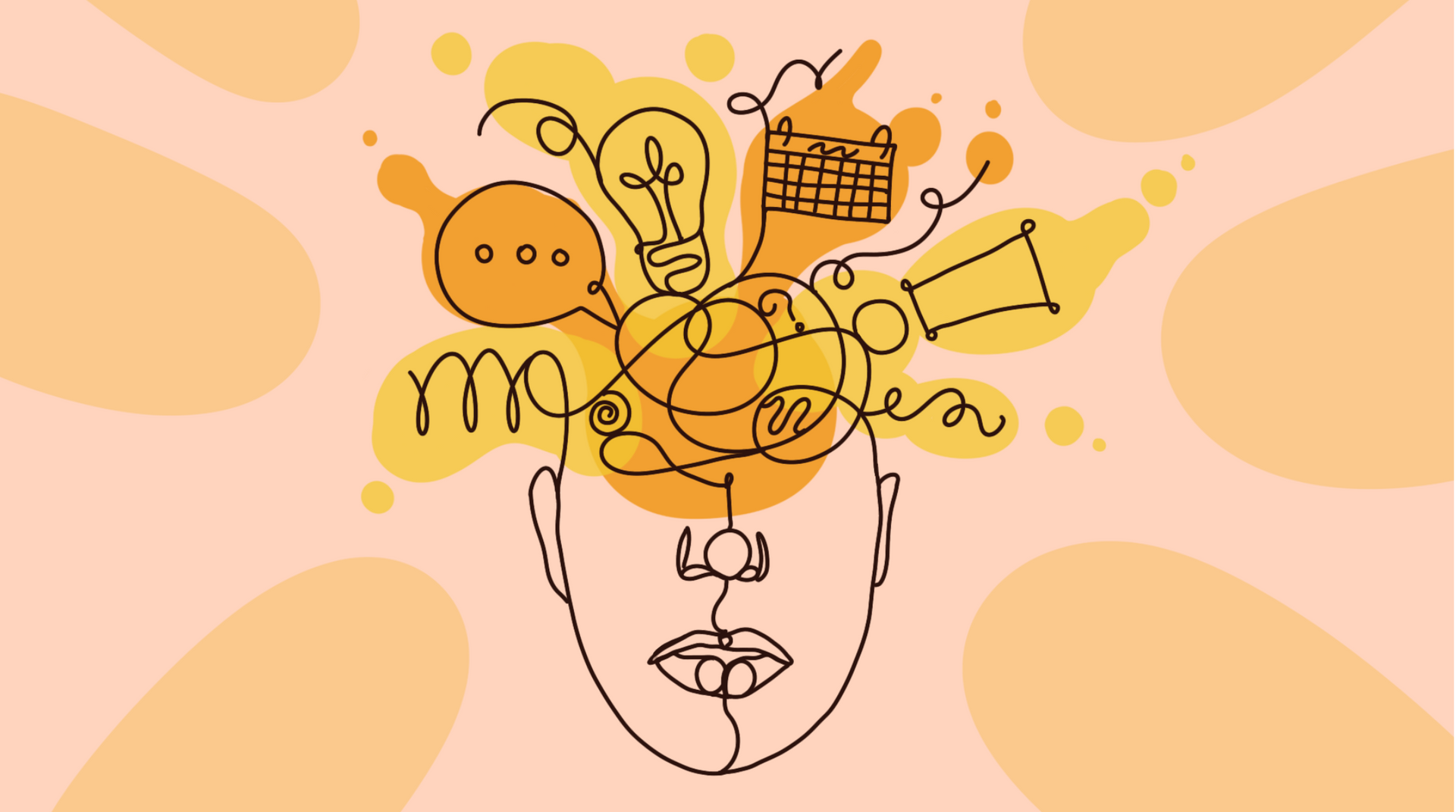
5 Major Signs You May Be Struggling With ADHD

5 Major Causes of Depression

Odinma Health expands mental health access in rural TN via telehealth. Join us for convenient, private psychiatric care today!

Sleep is vital for mental & physical health. Prioritize your sleep for better well-being. Start your journey with us today!

Compare insurance & cash pay for mental health services. Choose the best option for your care with Odinma Health's telehealth psychiatrist.

Struggling with social anxiety? Get expert telehealth support with therapy & medication. Start your journey to confidence today!