When people think about exercise, they often focus on physical benefits such as weight loss, improved heart health, or increased strength. However, one of the most powerful benefits of regular exercise is its positive impact on mental health. Whether you're struggling with stress, anxiety, depression, or simply looking to improve your overall well-being, physical activity can be a valuable part of your mental health journey.
1. Exercise Helps Reduce Symptoms of Depression
Research consistently shows that regular physical activity can help reduce symptoms of depression. Exercise stimulates the release of endorphins, often called the body's "feel-good" chemicals, which can improve mood and promote a sense of well-being.
Additionally, exercise can help:
- Increase energy levels
- Improve motivation
- Reduce feelings of hopelessness
- Provide a healthy sense of accomplishment
Even a simple 20–30 minute walk several times a week can make a meaningful difference.
2. Exercise Can Decrease Anxiety
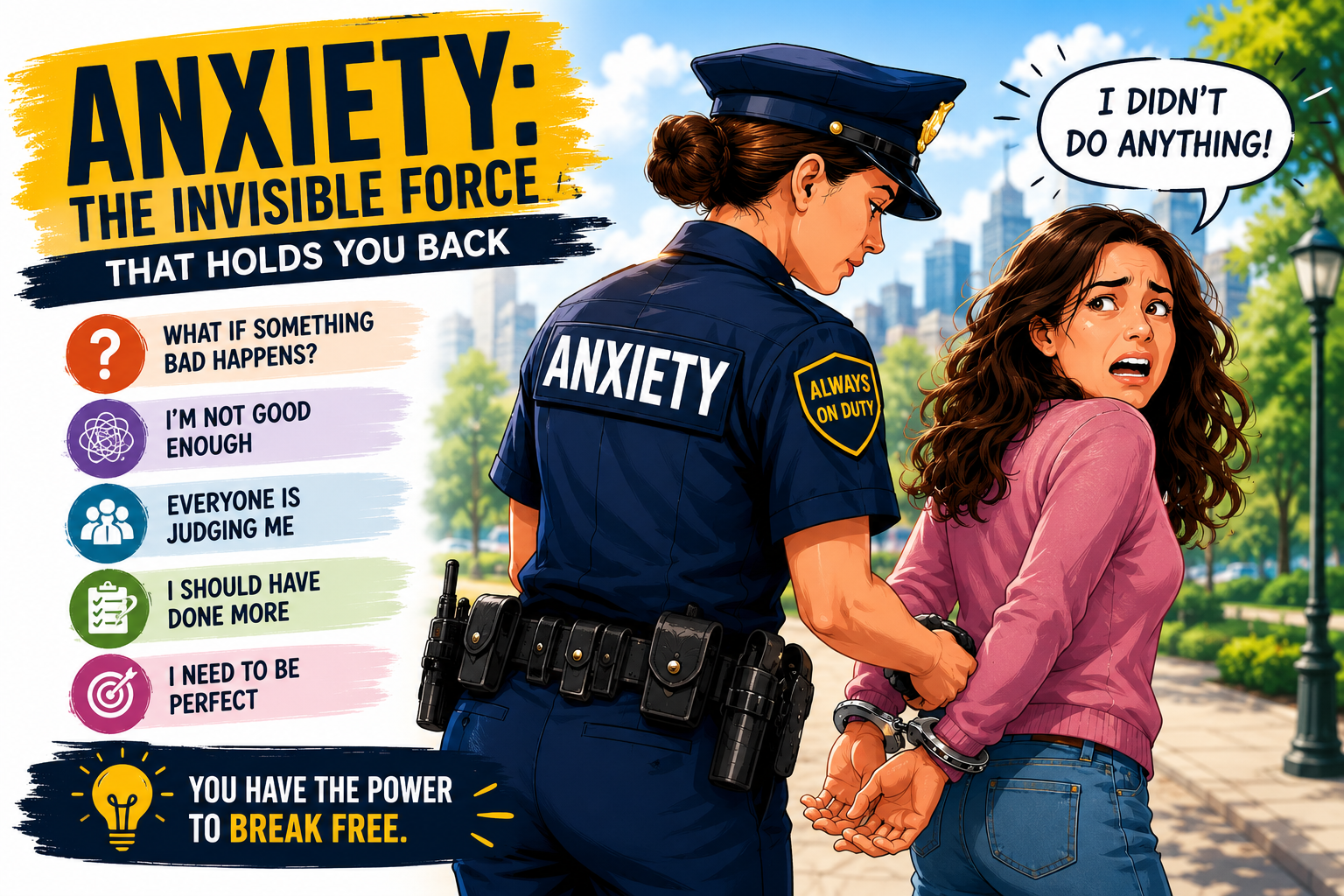
Anxiety often causes both mental and physical symptoms, including racing thoughts, muscle tension, restlessness, and difficulty sleeping. Exercise helps the body release built-up tension while encouraging relaxation.
Regular physical activity may:
- Reduce excessive worry
- Improve stress tolerance
- Promote relaxation
- Lower muscle tension
Activities such as walking, jogging, dancing, swimming, and yoga can be especially beneficial for managing anxiety symptoms.
3. Physical Activity Improves Sleep
Sleep and mental health are closely connected. Poor sleep can worsen anxiety, depression, irritability, and concentration difficulties.
Exercise can help:
- Fall asleep faster
- Improve sleep quality
- Increase daytime energy
- Support a healthy sleep-wake cycle
For best results, try to maintain a consistent exercise routine throughout the week.
4. Exercise Boosts Self-Confidence
Regular movement can help people feel stronger, healthier, and more capable. Achieving fitness goals—whether small or large—often improves self-esteem and confidence.
Over time, individuals may notice:
- Greater self-confidence
- Improved body image
- Increased resilience
- A stronger sense of personal control
These benefits often extend beyond physical health and positively impact work, relationships, and daily life.
5. Exercise Supports Brain Health
Exercise increases blood flow to the brain and supports healthy brain function. Studies suggest that regular physical activity may improve:
- Memory
- Focus and concentration
- Problem-solving abilities
- Emotional regulation
This is especially important for individuals experiencing stress, anxiety, depression, or attention difficulties.
6. Movement Provides a Healthy Outlet for Stress
Life can be demanding, and chronic stress can take a toll on both physical and mental health. Exercise provides a productive way to manage stress while helping the body process stress hormones more effectively.
Consider activities such as:
- Walking outdoors
- Strength training
- Cycling
- Dancing
- Hiking
- Recreational sports
The best exercise is often the one you enjoy and can maintain consistently.
How Much Exercise Do You Need?
You don't need to spend hours in the gym to experience mental health benefits.
A good starting goal is:
- 150 minutes of moderate exercise per week
- Or about
30 minutes of activity, 5 days per week
If that feels overwhelming, start small. Even 10–15 minutes of movement can positively impact mood and stress levels.
Small Steps Make a Big Difference
Many people believe they need an intense workout routine to improve their mental health. In reality, consistency matters more than perfection. A daily walk, dancing in your living room, stretching, or a short workout can all contribute to better emotional well-being.
Remember, exercise is not a replacement for professional mental health treatment when needed, but it can be a powerful tool alongside therapy, medication, and healthy lifestyle habits.
Final Thoughts
Mental health and physical health are deeply connected. Regular exercise can help reduce symptoms of anxiety and depression, improve sleep, boost confidence, enhance brain function, and provide a healthy way to manage stress. By making movement a regular part of your routine, you can support both your mind and body for years to come.
Ready to Take the Next Step?
If you're struggling with anxiety, depression, stress, or other mental health concerns, professional support can help. At Odinma Health, we provide compassionate, evidence-based mental health care designed to help you improve your mind and improve your life.